You finally found the perfect shed for your backyard. It has enough space for your tools, lawn equipment, and everything else you want to keep organized. But then you look at your narrow side yard, fence, or driveway and wonder, can a shed be delivered to a tight backyard?
The good news is that it may be possible! Even if your property has limited space, there are ways to make shed delivery work. The key is understanding your backyard layout, choosing the right shed size, and planning the delivery before placing your order.
At DuraStor Structures, we know that Georgia homeowners have different property layouts. Some have wide, open yards, while others have narrow access points, fences, trees, or other obstacles.
If you are thinking about adding a storage shed but are worried about delivery space, this guide will help you understand what to expect and how to prepare.
Can a Shed Be Delivered to a Backyard With Limited Access?
Yes, a shed can sometimes be delivered to a backyard with limited access. However, it depends on the size of the shed, the available entry points, the ground conditions, and the equipment needed for delivery.
A small backyard does not automatically mean you cannot have a shed. In many cases, the bigger concern is how the building will reach its final location.
For example, you might have plenty of room for a 10×12 shed behind your house. However, if the only way into your backyard is through a narrow gate, getting the shed into position could be challenging.
Before choosing your building, it helps to look at the entire delivery route, not just the spot where you want the shed to sit.
What Makes Shed Delivery Difficult?
Several things can make it harder to deliver a shed into a backyard.
Common challenges include:
- Narrow gates: A gate may be too small for the shed or delivery equipment to pass through.
- Fences: Existing fences can limit access to the backyard.
- Trees and branches: Low branches or nearby trees may block the delivery route.
- Tight corners: Sharp turns between buildings can make it difficult to move a shed.
- Sloped ground: Steep or uneven areas can create problems for delivery equipment.
- Soft soil: Wet or muddy ground may not support the weight of the shed and equipment.
- Overhead obstacles: Power lines, roof overhangs, and other structures may limit clearance.
These challenges do not always prevent delivery. However, they should be discussed before ordering your shed.
How Much Space Is Needed to Deliver a Shed?
One of the most common questions homeowners ask is how much clearance is needed for shed delivery.
The answer depends on the building dimensions and the delivery method.
For example, a 10 foot wide shed needs more than a 10 foot opening in many delivery situations. Additional space may be required for the equipment, roof overhangs, and safe movement.
The same applies to the building height. Even if the shed can fit between two fences, low branches or overhead wires could prevent it from reaching the backyard.
Measure the Entire Delivery Route
Before purchasing your shed, take a few minutes to measure the areas the building would need to pass through.
Pay attention to:
- Driveway width: Check whether the delivery vehicle can reach your property.
- Gate opening: Measure the actual clear opening rather than the overall gate width.
- Side yard clearance: Look at the space between your home, fence, and other structures.
- Turning areas: Make sure there is enough room to maneuver around corners.
- Overhead clearance: Check for tree branches, utility lines, and roof edges.
- Final shed location: Confirm there is enough room for the shed and any required property setbacks.
Taking these measurements early can help you avoid surprises on delivery day.
If you are unsure whether your measurements are enough, contact DuraStor Structures before finalizing your shed.
Can a Shed Fit Through a Narrow Gate?
This depends on the size of the gate, the building, and the equipment used to move it.
A standard backyard gate may be too narrow for a fully assembled shed. Even a relatively small storage building can be wider than a typical residential gate.
However, that does not necessarily mean you need to give up on your shed plans.
Consider a Wider Access Point
Some homeowners have a second entrance to their backyard that offers more space.
For example, a wider driveway entrance or an open area along the property may provide a better delivery route.
If your property has multiple access points, compare them before choosing where the shed will go.
Ask About Temporary Fence Removal
In some cases, temporarily removing a section of fencing may create enough room for delivery.
This can be useful when the backyard has plenty of space but the gate opening is too narrow.
Before removing anything, confirm that the additional opening will actually provide enough clearance for the building and delivery equipment.
Also, make sure the fence can be safely removed and reinstalled.
Choose a Shed Size That Works for Your Property
Sometimes, selecting a slightly smaller shed can make delivery easier.
For example, an 8 foot wide shed may be more practical for a narrow backyard than a 12 foot wide building.
You can still create useful storage space by choosing a layout that makes the most of the available floor area.
At DuraStor Structures, you can explore different shed designs and sizes to find an option that works for your storage needs and property layout.
What if the Delivery Truck Cannot Reach Your Backyard?
Not every backyard is accessible to a large delivery vehicle.
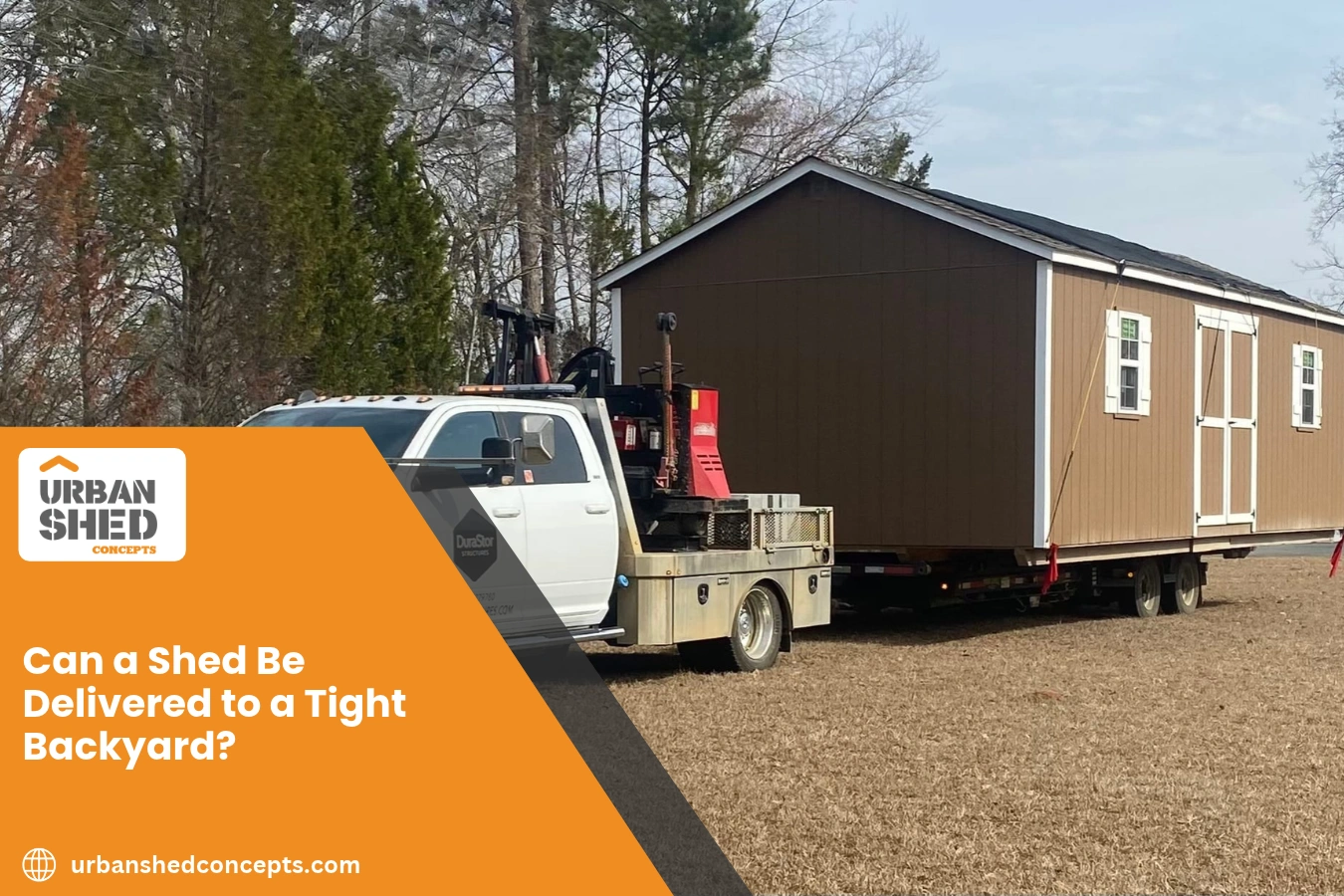
Fortunately, the delivery truck does not always need to drive directly to the final shed location. Depending on the delivery provider and equipment available, a shed may be moved from an accessible unloading area into position.
However, this is not guaranteed for every property.
The available space, ground conditions, building size, and delivery equipment all affect what is possible.
That is why it is important to discuss access concerns with DuraStor Structures before ordering.
Can Special Equipment Help With Shed Delivery?
Some shed delivery companies use specialized equipment designed to position portable buildings in locations that are difficult for larger trucks to access.
This type of equipment may help with certain tight spaces, but it still needs enough clearance to operate safely.
Equipment availability and delivery options should always be confirmed in advance.
The best approach is to share your property details and ask what delivery arrangements may be possible.
How to Prepare a Tight Backyard for Shed Delivery
Good preparation can make a big difference when delivering a shed to a property with limited space.
You do not need a perfectly open backyard, but the delivery route should be as clear and accessible as possible.
1. Clear the Delivery Path
Start by removing anything that could block the path to your shed location.
This may include:
- Outdoor furniture
- Flowerpots and garden decorations
- Trash bins
- Children’s toys
- Portable equipment
- Loose branches and yard debris
A clear path gives the delivery crew more room to work and helps reduce the risk of damage to surrounding objects.
2. Check the Ground Conditions
Georgia weather can sometimes make shed delivery more challenging, especially after heavy rainfall.
Wet soil, muddy areas, and soft ground may make it difficult for delivery equipment to move safely.
If your backyard tends to hold water after rain, let the delivery team know before your scheduled delivery.
It may be necessary to wait until the ground is firm enough to support the equipment.
3. Prepare a Level Shed Location
Your shed needs a suitable location where it can sit securely.
Choose an area that is reasonably level and has proper drainage.
Depending on the shed and site requirements, additional ground preparation or an appropriate foundation may be needed.
Preparing the location ahead of time can help make installation smoother and reduce future maintenance concerns.
4. Check for Underground and Overhead Utilities
Before making changes to your property, identify any underground utilities, septic systems, drainage areas, or other features that could affect shed placement.
You should also check for overhead power lines and other obstructions along the delivery route.
If digging or ground preparation is required, arrange for utility lines to be located before work begins.
5. Take Photos of Your Backyard
Photos are one of the easiest ways to explain your delivery concerns.
Take clear pictures of:
- Your driveway
- The entrance to your backyard
- Narrow spaces between structures
- Fences and gates
- Trees and other obstacles
- The proposed shed location
You can share these details with DuraStor Structures when discussing your building.
Photos can help the team better understand your property, although additional measurements or a site review may still be necessary.
What Is the Best Shed Size for a Small Backyard?
The best shed size depends on how much storage you need and how much space is available.
For a tight backyard, choosing a practical size is often more important than choosing the largest building possible.
Here are a few common shed sizes worth considering.
8×10 Shed
An 8×10 shed provides 80 square feet of floor space.
It can be a practical option for storing garden tools, lawn equipment, seasonal decorations, and smaller household items.
Its compact footprint may also make it easier to find a suitable location in a smaller backyard.
10×12 Shed
A 10×12 shed offers 120 square feet of floor space.
This size can work well for homeowners who need additional storage for larger equipment, bicycles, or outdoor supplies.
It provides more room while remaining a manageable option for many residential properties.
10×16 Shed
A 10×16 shed gives you 160 square feet of space.
This size may be useful if you need room for lawn equipment, shelving, tools, and other belongings.
However, it requires a longer installation area and a suitable delivery route.
Remember: A shed that fits in your backyard is not necessarily a shed that can be delivered through your available access points.
Always confirm delivery feasibility before choosing a final size.
Which DuraStor Shed Style Is Best for a Tight Backyard?
At DuraStor Structures, homeowners can explore different portable building styles based on their storage needs and available space.
Choosing the right style can help you get more use out of your shed without taking up unnecessary backyard space.
Garden Sheds
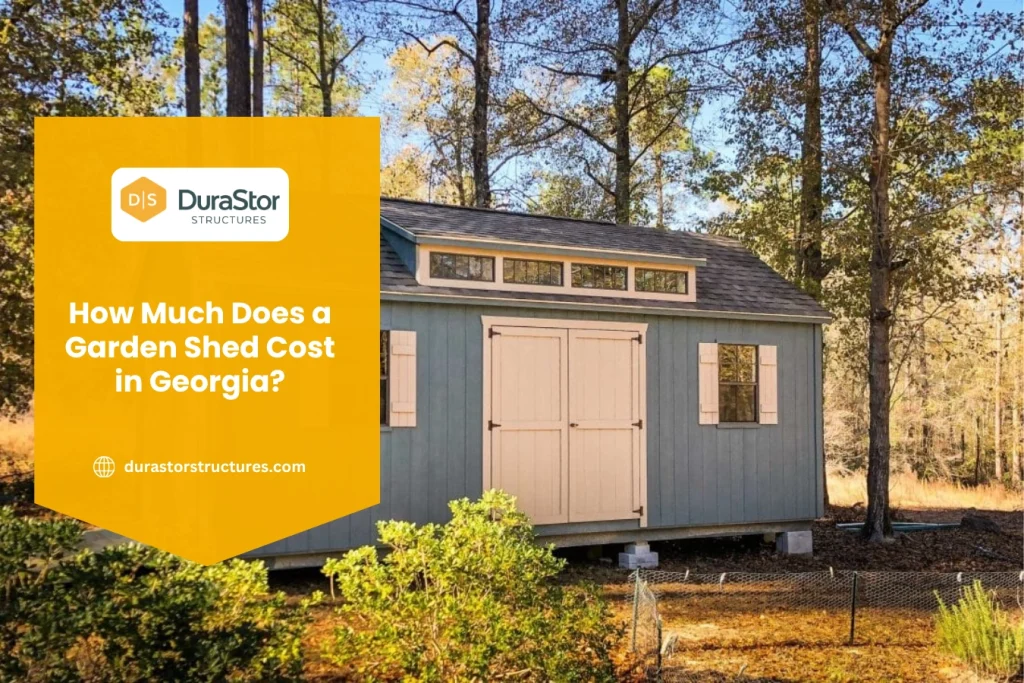
A garden shed is a practical choice for homeowners who want convenient storage for lawn care equipment, gardening supplies, and outdoor tools.
It can help keep your backyard organized while providing a dedicated place for items that would otherwise take up space in your garage.
Utility Sheds
Utility sheds are a versatile option for everyday storage.
They can provide space for tools, seasonal decorations, outdoor equipment, and other household belongings.
If your backyard has limited space, choosing a suitable utility shed size can help you balance storage capacity with available room.
Lofted Barn Sheds
If you need additional storage but have limited ground space, a lofted barn may be worth considering.
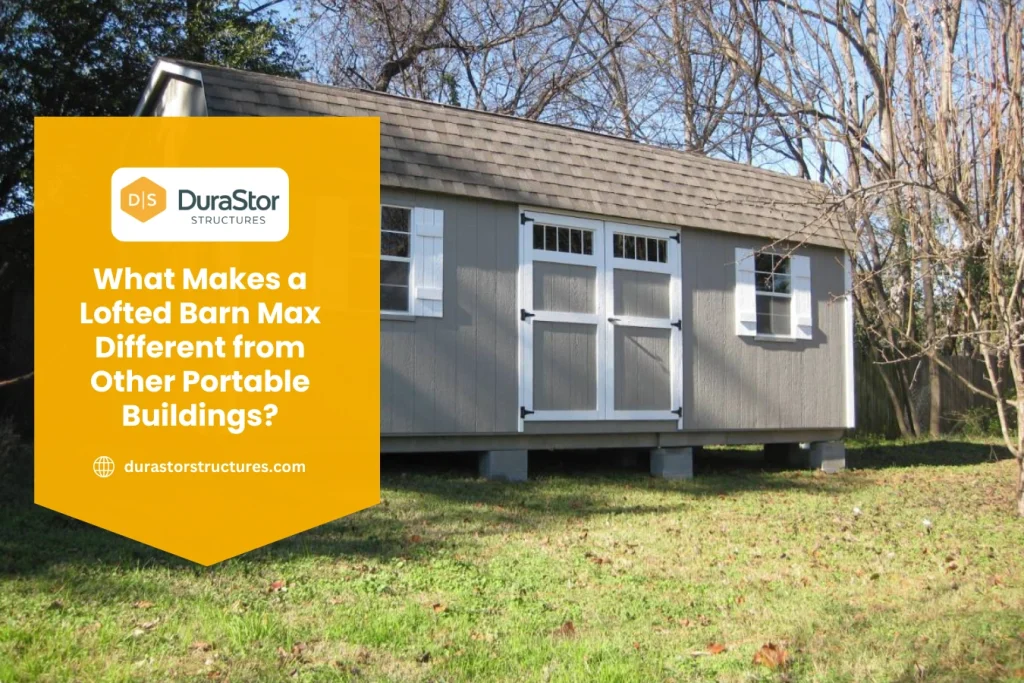
DuraStor Structures offers lofted barn designs, including the Lofted Barn Max, which can be an appealing option for homeowners looking for more storage potential.
The loft area can help you organize suitable items above the main floor, leaving more room below for larger belongings.
However, remember that lofted barn buildings may have taller roof profiles. Make sure the delivery route has enough overhead clearance.
Can You Place a Shed Close to a Fence or Property Line?
A tight backyard may leave you wondering how close your shed can be to a fence.
While it might seem convenient to place your building directly against the property boundary, you should check local requirements first.
Georgia cities and counties may have different rules regarding shed placement, permits, and property setbacks.
Before selecting your shed location, consider:
- Required distance from property lines
- Local building and zoning regulations
- Homeowners association restrictions, if applicable
- Drainage around the building
- Space needed for future maintenance
- Access to doors and windows
Leaving enough room around your shed can also make it easier to maintain the exterior and keep the surrounding area clean.
If you are unsure about local requirements, check with your city or county before preparing the installation site.
Common Mistakes to Avoid When Planning Shed Delivery
A little planning can help you avoid delays and unexpected challenges.
Here are some common mistakes homeowners should watch out for.
Measuring Only the Shed Location
You might have enough room for the shed itself but not enough clearance to move it into the backyard.
Measure the entire delivery route before making a purchase.
Forgetting About Roof Overhangs
The building’s roof may extend beyond the wall dimensions.
This can matter when passing through narrow spaces or placing a shed close to another structure.
Ignoring Ground Conditions
Soft soil, steep slopes, and uneven surfaces can make delivery difficult.
Check the condition of your backyard and discuss potential concerns ahead of time.
Choosing a Shed Before Checking Access
It is easy to get excited about a particular shed style or size.
However, confirming delivery access first can save time and help you choose a building that works for your property.
Waiting Until Delivery Day to Mention Obstacles
If your backyard has a narrow gate, steep driveway, or other access concerns, communicate them early.
The sooner these details are discussed, the easier it is to determine whether the planned delivery is practical.
Design Your Shed With DuraStor Structures’ 3D Shed Builder
Finding the right shed for a tight backyard starts with choosing a building that fits your needs.
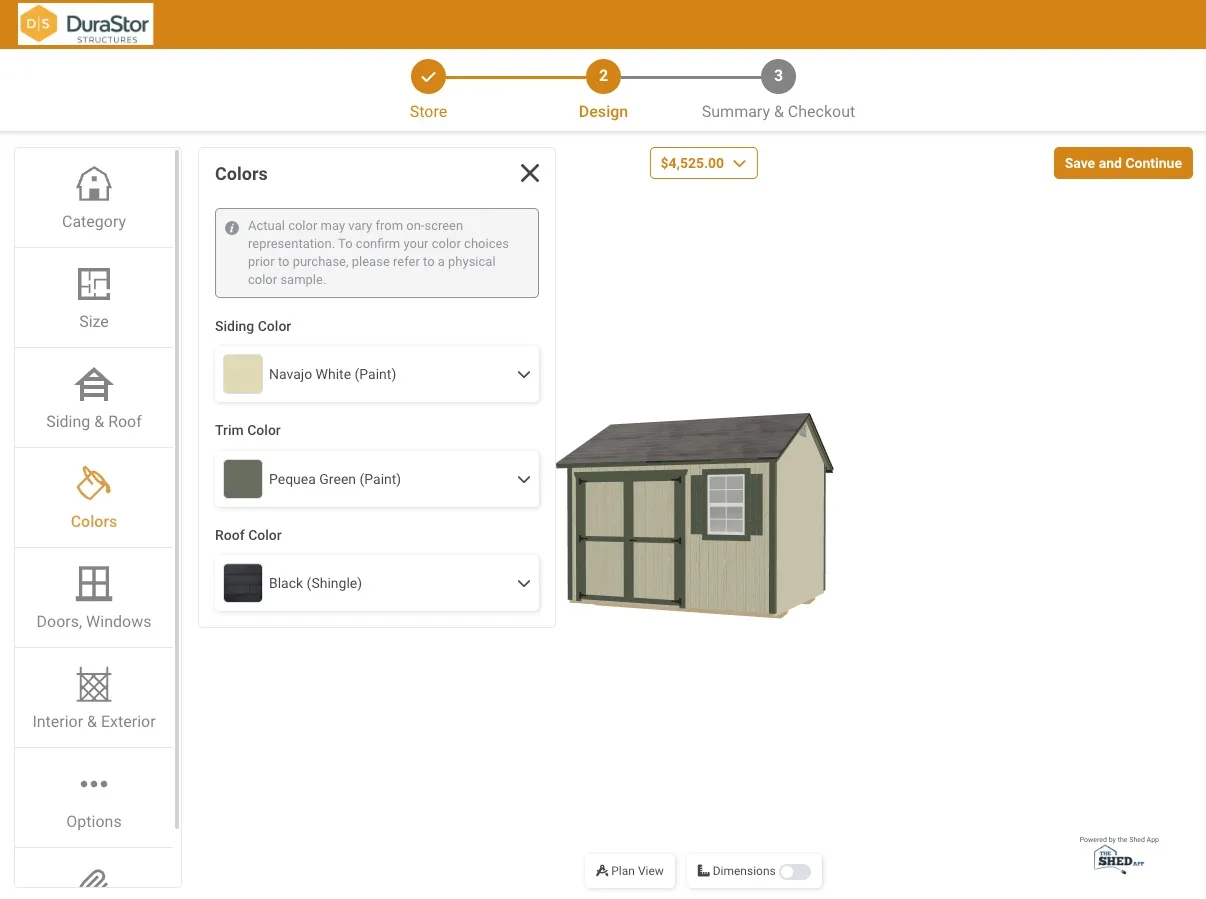
With the DuraStor Structures 3D Shed Builder, you can explore available building styles, select sizes, and customize your shed before making a final decision.
The builder makes it easier to visualize how your shed could look and compare different options.
You can explore features such as:
- Available shed styles and dimensions
- Exterior color combinations
- Door and window configurations
- Available building customization options
- Pricing and quote details shown in the builder
If you are working with limited backyard space, start by comparing smaller shed sizes and consider how each layout could work for your storage needs.
Keep in mind that designing a shed does not automatically confirm that it can be delivered to your property. Be sure to discuss access requirements before finalizing your purchase.
Why Choose DuraStor Structures for Your Shed in Georgia?
Buying a shed is about more than finding somewhere to store your belongings. You want a building that looks great, serves your needs, and fits comfortably on your property.
At DuraStor Structures, we offer a variety of portable building styles for Georgia homeowners who want practical storage solutions.
Whether you need a garden shed for outdoor tools, a utility shed for household storage, or a lofted barn for additional organization, you can explore options that suit your needs.
Our 3D Shed Builder also makes it easier to plan your building and explore customization options before moving forward.
And if you have questions about your backyard layout or possible delivery challenges, our team can help you discuss your options.
We want you to feel confident about choosing the right building for your property.
Frequently Asked Questions About Shed Delivery
Can a shed be delivered if I have a narrow driveway?
Possibly. It depends on the driveway width, building dimensions, available delivery equipment, and surrounding obstacles. Share your driveway measurements with the team before ordering.
Can a shed be delivered over a fence?
Some delivery providers may have equipment capable of lifting buildings over certain obstacles. However, this is a specialized service and should not be assumed to be available. Contact DuraStor Structures to discuss whether any alternative delivery options are possible.
Do I need to remove my fence for shed delivery?
Not always. If your existing gate or another access point provides enough clearance, fence removal may not be necessary. In some situations, temporarily removing a fence section could help create a wider opening.
Can a shed be delivered on a sloped backyard?
A sloped backyard may still be suitable for a shed, but delivery and site preparation can be more challenging. The slope, soil conditions, and final building location must be evaluated before confirming what is possible.
Can I order a shed before checking delivery access?
It is better to confirm delivery access before placing your order. This helps reduce the risk of choosing a building that cannot safely reach its intended location.
What should I do if I am unsure whether a shed will fit?
Start by measuring your driveway, gates, side yard, and intended shed location. Take photos of any obstacles and contact DuraStor Structures to discuss your concerns.
Ready to Find the Right Shed for Your Backyard?
So, can a shed be delivered to a tight backyard? Yes, in some cases it can. The important thing is to choose the right building and make sure there is a safe, practical way to get it into place.
A narrow gate, small driveway, or limited backyard space does not always mean you have to give up on adding a shed.
With careful planning, accurate measurements, and the right building size, you may be able to find a solution that works for your property.
At DuraStor Structures, we are here to help Georgia homeowners explore practical storage options that fit their needs.
Start designing your shed today with our 3D Shed Builder. Explore different sizes, styles, and customization options to find a building you will love.
Have questions about delivering a shed to your backyard? Contact DuraStor Structures today. Tell us about your property, available access, and the shed you have in mind. Our team can help you explore the next steps toward getting the storage space you need.